Introduction
Are you looking for a local dental expert who can perform seamless dental procedures with little to no discomfort, and who can also help your patients keep their teeth healthy between visits? Tooth decay is one of the most preventable conditions in dentistry, yet it remains one of the most common. The good news is that most cavities are the result of habits, and habits can be changed. Keep reading to find out what actually causes decay, what a solid daily routine looks like, and where your dental office comes in.
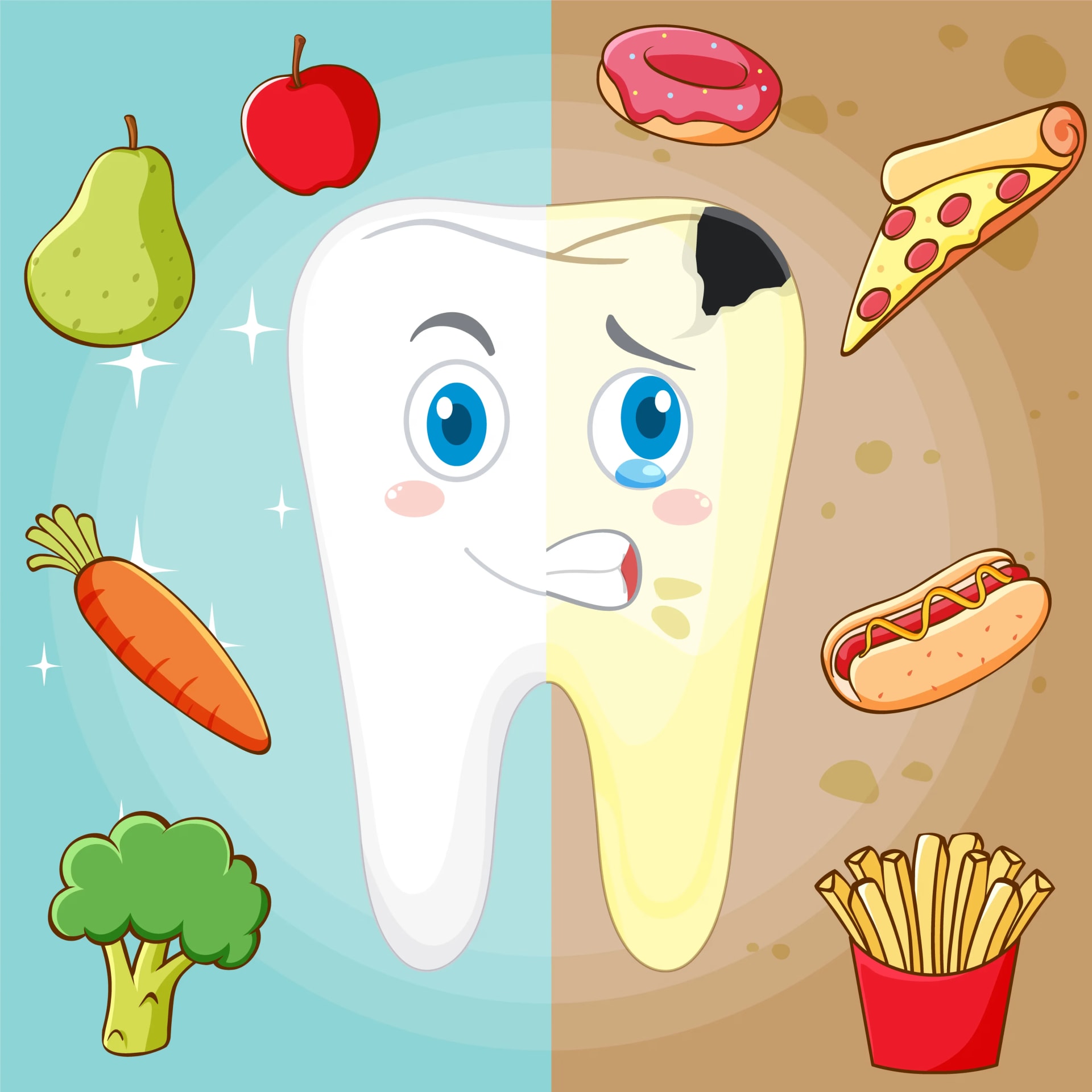
What Causes Tooth Decay ?
Decay is not caused by sugar alone. It is the result of four things happening together, usually over many months:
- Bacteria: the plaque that forms on your teeth contains bacteria which feed on the sugars and starches you eat.
- Sugar: every sugary or starchy snack gives those bacteria the fuel they need to produce acid. Frequency matters more than quantity, so sipping a soda all afternoon is far more harmful than eating one sweet treat.
- Acid: the acid produced by plaque softens the enamel, and once enamel breaks down the tooth structure itself is at risk.
- Time: enamel can repair itself very early on, but if the acid attack lasts long enough the damage becomes permanent. This is why brushing twice a day and cleaning between teeth matters so much.
A Daily Routine That Makes A Difference
Preventing decay is mostly about consistency, and consistency is easy when the routine is short:
- Brush twice a day for two minutes with fluoride toothpaste, and replace your toothbrush every three months or when the bristles fray.
- Clean between your teeth once a day with floss or interdental brushes, since a toothbrush cannot reach the spaces where your molars meet.
- Drink water between meals to rinse away food particles and to keep your mouth from staying acidic.
- Limit frequent sugar and acid exposures, including sweetened drinks, and avoid sipping them over long periods.
- Keep a regular cleaning and exam schedule so small cavities are caught before they become large ones.
Protecting Your Back Teeth
The back teeth do most of the chewing, so they are the ones most likely to decay, and the ones patients tend to forget while brushing. They have deep grooves that trap plaque and are harder to see without a mirror, which is why sealants and professional fluoride are often recommended for them.
A sealant is a thin, clear coating placed on the chewing surface of a molar. It takes minutes, requires no drilling, and can protect a tooth for years, making it an easy preventive step for patients who are not yet ready for a filling. Fluoride, both at home and in the office, strengthens enamel and helps a tooth recover from early acid exposure.
If you have already been told that a tooth needs to come out, decay is often the reason. That is where a trusted traveling dentist can make the difference: by coming to your own office, Dr. Foust removes the tooth without sending you across town for a referral, and he takes the time to explain how to protect the rest of your smile afterwards.
Conclusion
A cavity that is caught early is a simple filling. A cavity that is left alone becomes an extraction. By building a relationship with your own dental office and by partnering with a traveling dentist for the procedures that are harder to handle in-house, you give your patients both the prevention and the solution.
About the Practice
At Wisdom Partner DDS, Dr. Cade Foust and his team offer premier care to dental offices in Katy and the surrounding communities. As a highly-trained dentist who has performed more than 20,000 extractions, Dr. Foust will ensure a stress-free experience before, during, and after the surgery. Not only does he educate patients on how to protect their teeth for the long term, but he also provides additional treatment methods to speed up the recovery process and promote quicker healing. To learn how you can become a host dental office, contact us at (832) 600-6878.
Office hours
- Monday 8:00 am -- 5:00 pm
- Tuesday 8:00 am -- 5:00 pm
- Wednesday 8:00 am -- 5:00 pm
- Thursday 8:00 am -- 5:00 pm
- Friday 8:00 am -- 5:00 pm